





What Type of Pimple Patch Should I Use?

April 06, 2026
Share



April 06, 2026
Share
Short answer? It depends on your breakout stage. Not all pimples behave the same way, and not all patches are designed to treat the same concern.
Some patches absorb fluid. Others deliver active ingredients below the surface. Some focus on protecting skin while it recovers. Below is a clear breakdown of which patch works best for which situation so you can choose confidently.
If you’re unsure what kind of breakout you’re dealing with, understanding can help you pinpoint what stage your skin is in before choosing a patch.
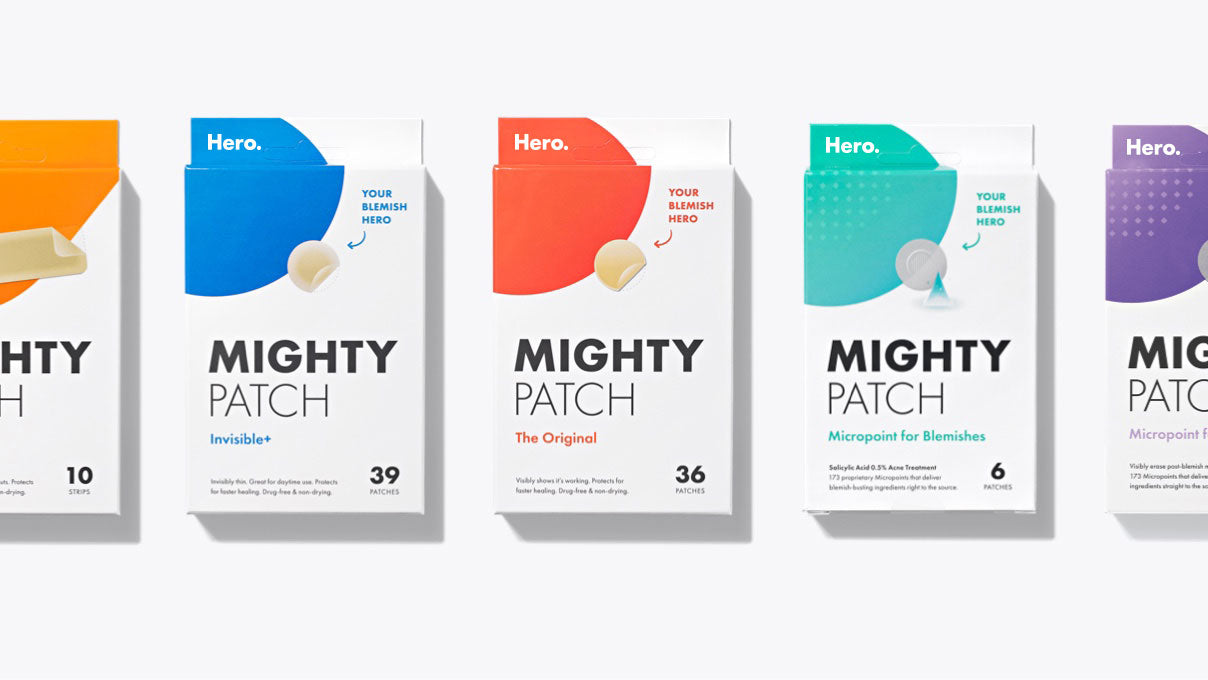
Most acne patches fall into three categories:
Each type supports your skin differently, whether that means absorbing buildup, delivering ingredients deeper into skin, or helping protect healing areas.
Hydrocolloid patches are made with medical-grade hydrocolloid, a material long used in wound care. Dermatologists rely on hydrocolloid dressings because they create a protective barrier and absorb drainage from open, non-infected wounds.
For acne, that means they pull out pus and excess fluid from pimples that have come to a head while protecting the area from dirt, bacteria, and picking.
They are non-medicated and gentle, making them ideal for acne prone and sensitive skin.
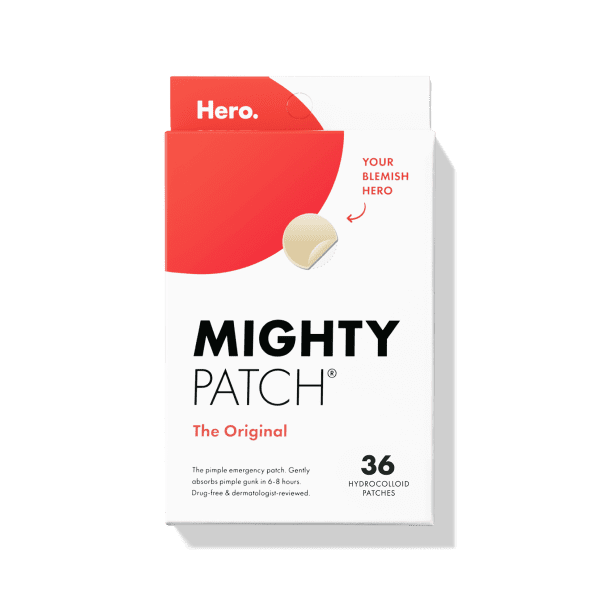
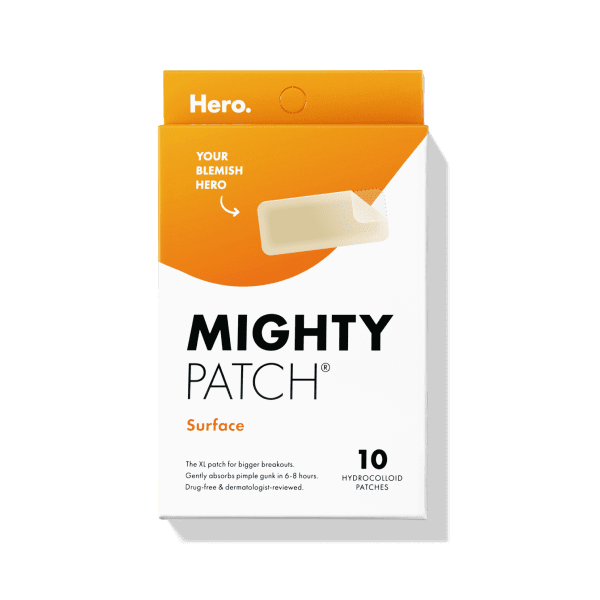
Hydrocolloid patches (like our Mighty Patch™ Original) work best when you can see visible fluid.
They are ideal for:
By absorbing buildup and covering the area, they help discourage picking, which may reduce irritation and the risk of lingering dark marks.
Hydrocolloid patches are ideal for anyone who struggles with picking, has sensitive skin, or wants a gentle, non-medicated overnight solution for surface-level pimples.
Because they focus on absorption and barrier protection rather than harsh actives, they are often a reliable first step in spot care.

Micropoint patches use 173 dissolving micropoints made of hyaluronic acid to deliver active ingredients beneath the surface of the skin.
Unlike hydrocolloid patches, they do not absorb fluid. Instead, they physically penetrate the top layer of skin to deliver targeted ingredients directly to early stage blemishes or post blemish marks.
That physical delivery system is what sets them apart. Topicals sit on the surface. Micropoints go deeper.
They are especially helpful when you feel a bump forming under the skin.
Reach for micropoint patches when:
Micropoint™ for Blemishes targets early stage, under the skin breakouts by delivering acne fighting ingredients directly where they are needed.
Micropoint™ for Dark Spots uses brightening ingredients like vitamin C and niacinamide to help even tone and fade the look of post inflammatory hyperpigmentation.

Targeted solution patches focus on recovery and hydration rather than fluid absorption. They deliver targeted ingredients over time while creating a protective barrier to support compromised skin.
Instead of clearing a whitehead, they help skin bounce back.
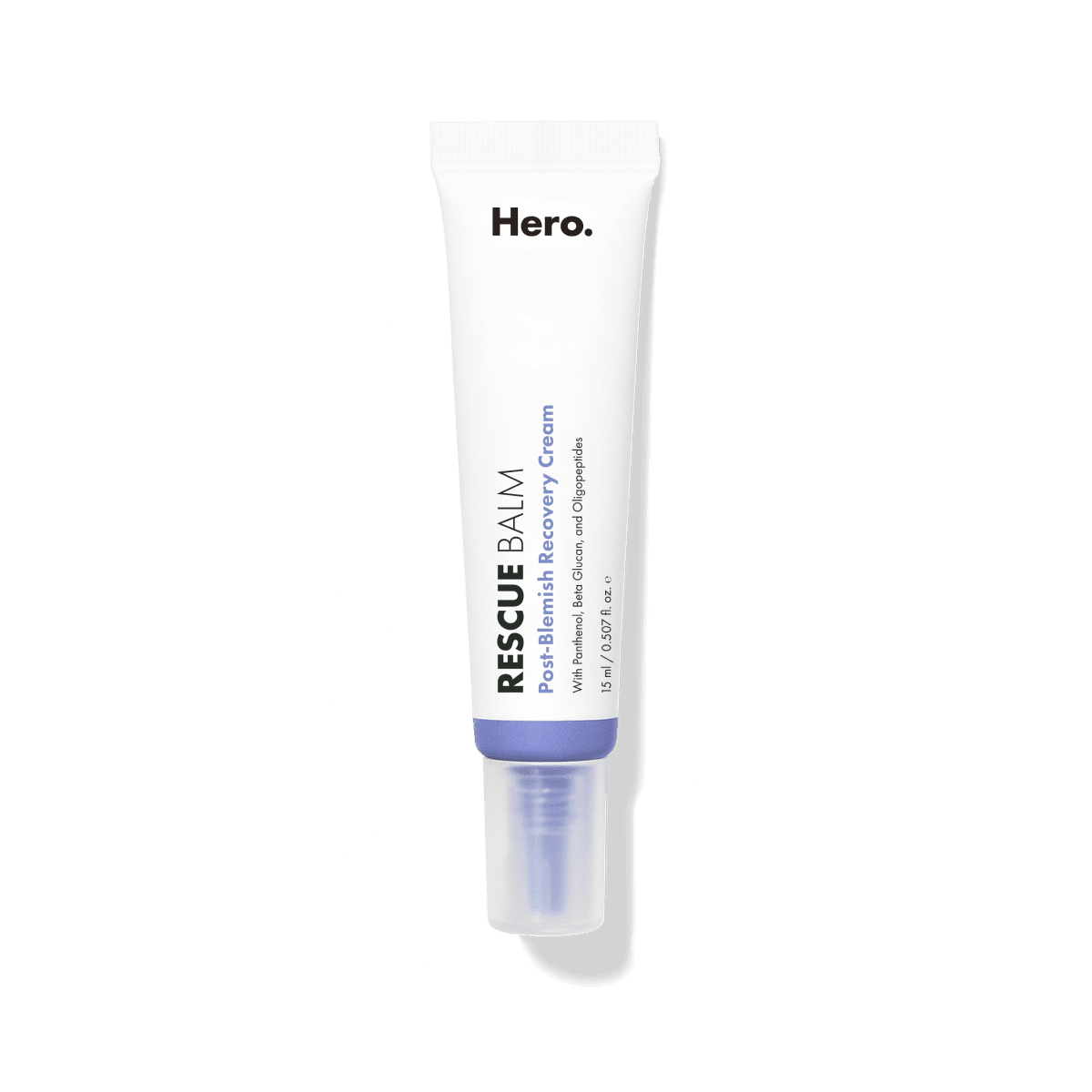
For post blemish recovery, Rescue Patch delivers a rich, cream based formula with panthenol and beta glucan to instantly moisturize and help support the skin barrier for up to 24 hours.
For the under eye area, Mighty Patch™ for Tired Eyes uses cooling hydrogel and hydrating ingredients to visibly de puff and refresh tired looking skin after multiple applications.

Here is a simple guide:
If you see fluid → hydrocolloid
If you feel a pimple under the skin → micropoint
If you have discoloration → dark spot patch
If you want longer-lasting ingredient delivery → targeted solution patch
Matching the patch to the breakout stage helps support your skin’s natural healing process.
Hydrocolloid has been used in wound care for years because it creates a protective barrier and absorbs drainage. Dermatologists often recommend barrier protection for patients who pick at their skin, since reducing friction and contamination may help minimize irritation.
Patches work best for mild to moderate blemishes. If you are experiencing persistent, painful, or widespread acne, consult a board-certified dermatologist for personalized options.
Take our skincare quiz to find your best fit!
Or build your own mini patch toolkit. Keep hydrocolloid on hand for whiteheads, micropoints ready for under-the-skin breakouts, and targeted solution patches nearby for recovery days. That way, you are covered at every stage of the acne lifecycle.
The information provided in this article is for general knowledge and informational purposes only and does not constitute medical advice. It is not intended to be a substitute for professional medical advice, diagnosis, or treatment. Always seek the advice of a qualified healthcare provider with any questions you may have regarding a medical condition.
Spread the Knowledge


